As educators, we all know that math is more than just solving equations and crunching numbers.
Math can also teach critical thinking, problem-solving, and a variety of 21st-century skills that students will need for success in their future careers.
In this blog post, we will explore some of the 21st-century skills that can be built during a mathematics class, with examples from my classroom.
Collaboration
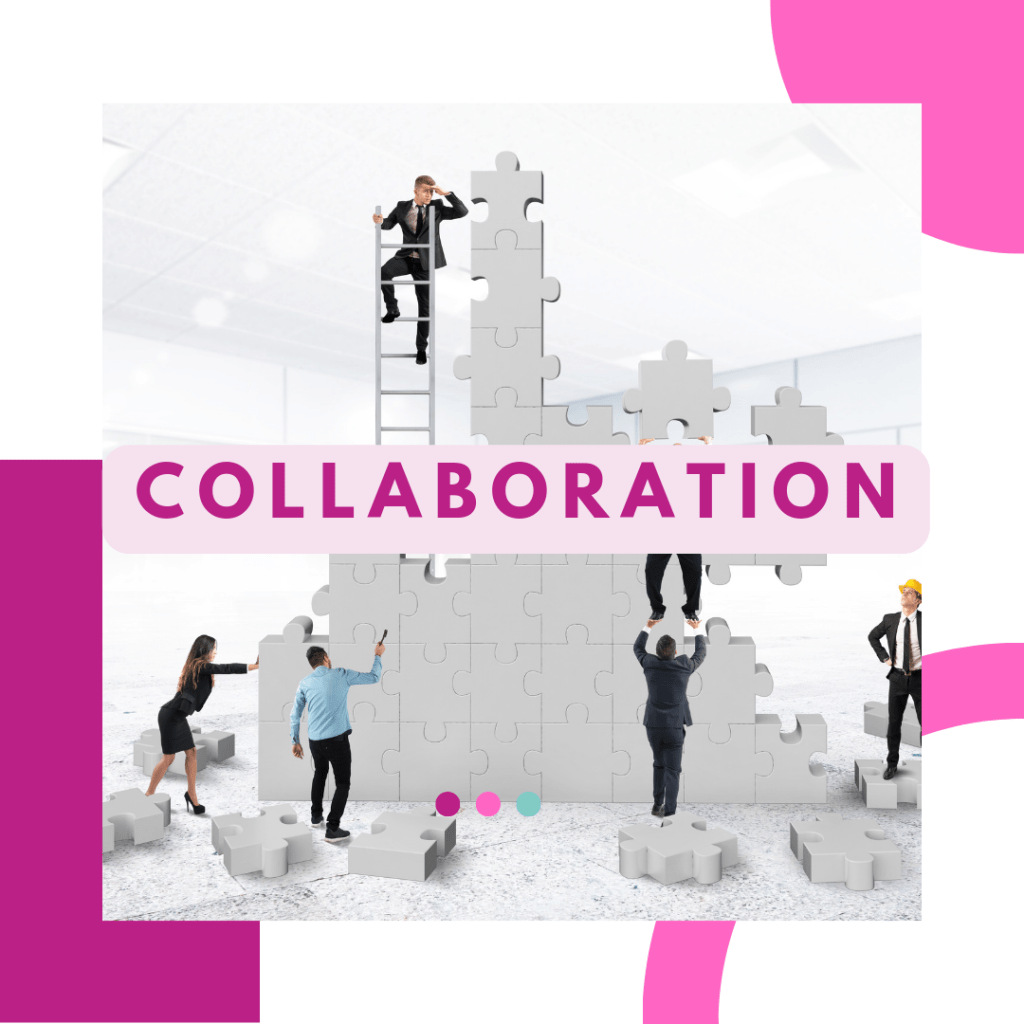
Collaboration is a crucial 21st-century skill that is increasingly important in today’s workplaces. In a mathematics class, collaboration can be fostered by group work and pair work. Students can work together to solve problems, check each other’s work, and share strategies. By working collaboratively, students learn to communicate effectively, listen actively, and build trust with their peers.
In my classroom, I group students in pairs and assign them a task to solve. The pairs are created in such a way that students are paired with classmates they are not too close with. This encourages students to work with someone they might not have chosen themselves and fosters new relationships. I also make sure that each pair presents their solutions to the class, and in doing so, students learned to collaborate with their peers and build their communication skills.
MISS DAIRO
Critical Thinking
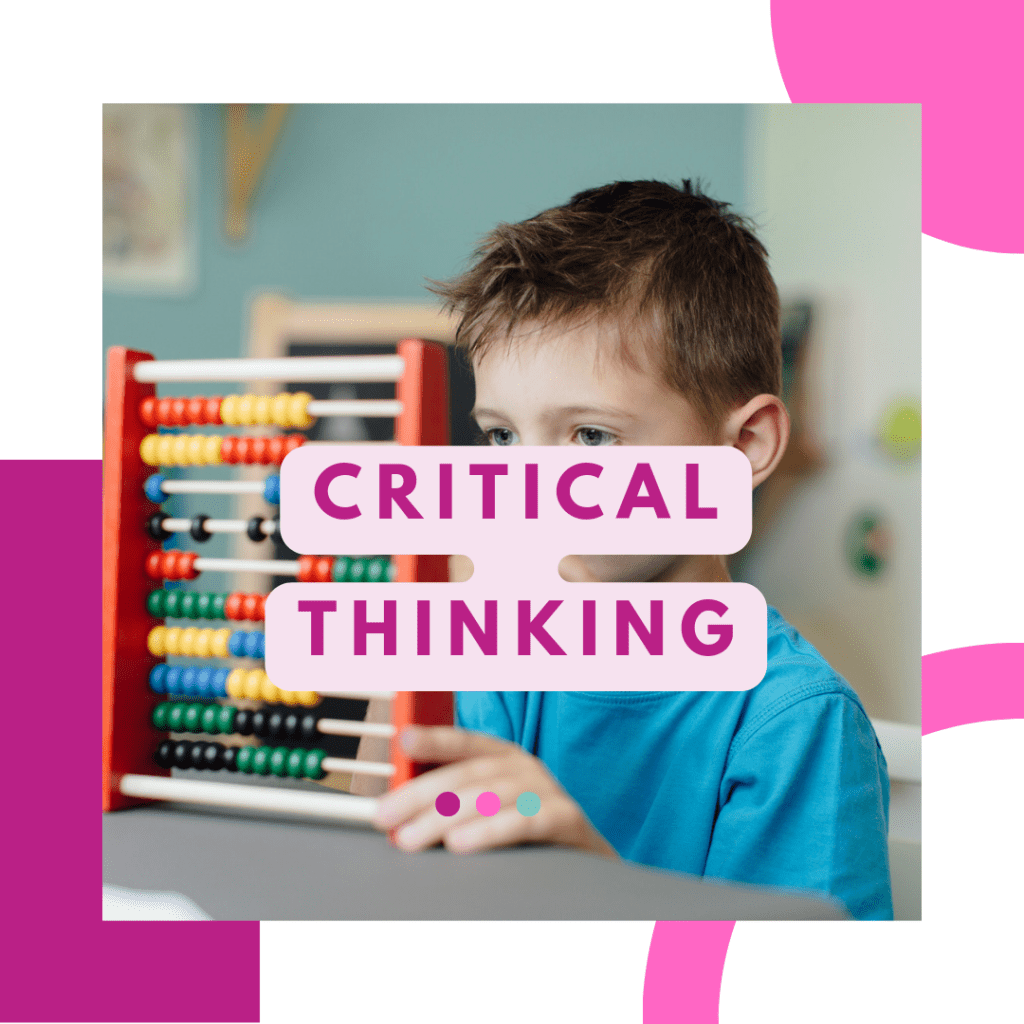
Mathematics is a subject that requires critical thinking and problem-solving skills. In a mathematics class, students can be challenged to think critically about mathematical concepts and apply their understanding to real-world scenarios.
By engaging in critical thinking activities, students develop their analytical skills and learn to evaluate information from different perspectives.
In my classroom example, I challenged my students to convert centimeters to meters and vice versa by linking it to their last topic (Conversion of money). This required students to think critically about the relationship between the two units and apply their understanding. By working in pairs, students were able to collaborate and share their ideas, which helped them to build their critical thinking skills.
Communication skills

Communication is a 21st-century skill that is often overlooked in the classroom settings. However, communication skills are essential for success in the workplace and in life. In a mathematics class, students can be given opportunities to engage in group discussions, defend their answers, make presentations, and take ownership of their learning.
In my classroom example, students in each group were given time to discuss among themselves and arrive at a common answer. I then assigned one student to present the group’s solution to the class. By selecting a student who was not confident in their mathematical abilities, I allowed them to step up and build on their boldness and communication skills. By taking engaging in group discussions and defending their answers, they were able to build their confidence and develop their communication skills.
Resilience
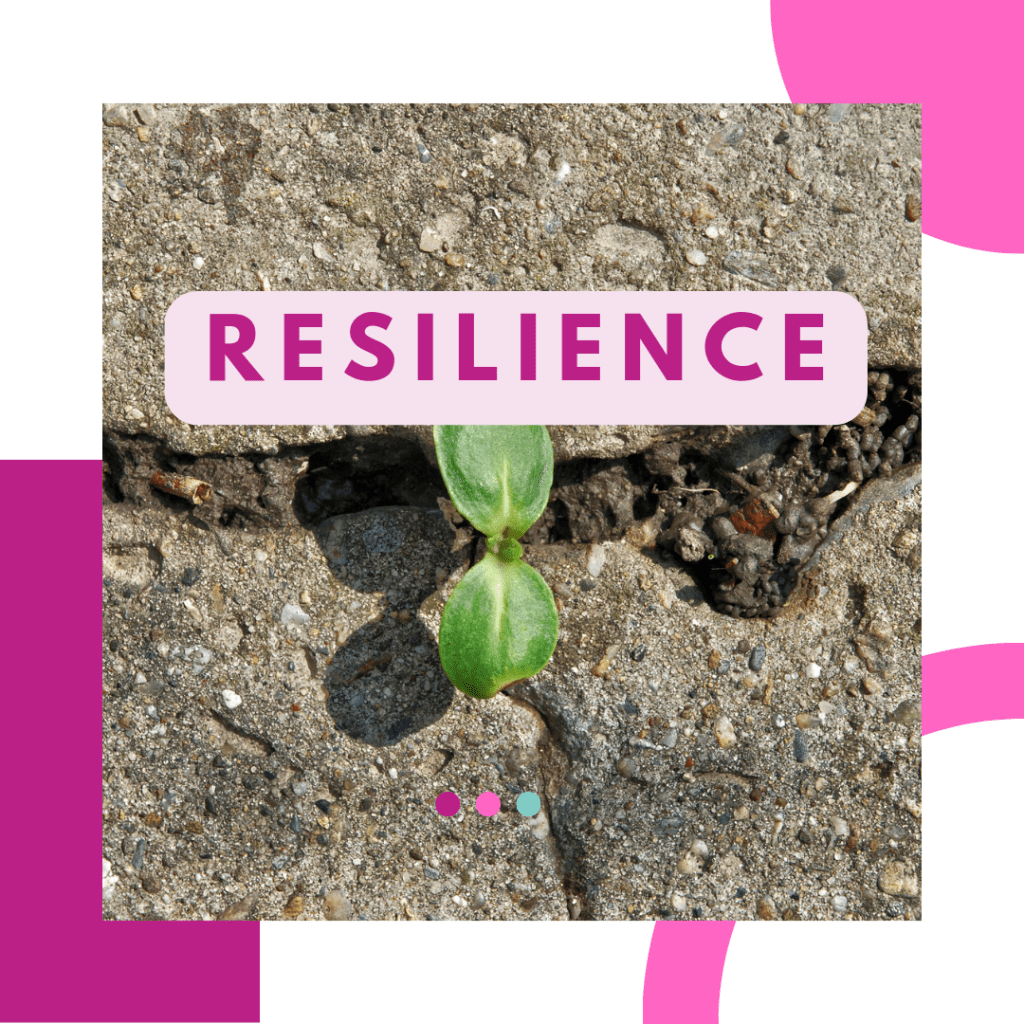
Resilience is a 21st century skill that is becoming increasingly important in a rapidly changing world. In a mathematics class, students can be challenged to persist through difficult tasks, learn from their mistakes, and bounce back from setbacks. By developing resilience, students learn to persevere through challenges and develop a growth mindset.
In my classroom, I allow students to make mistakes and learn from them. When one group got an answer wrong, I did not chastise them but instead walked them through the instruction and they identified their mistake. By doing so, I created a safe and supportive environment where students felt comfortable taking risks and learning from their mistakes.
MISS DAIRO
In conclusion, a mathematics class can be an excellent opportunity to build 21st-century skills. By fostering collaboration, critical thinking, communication, and resilience, students can develop the skills they need for success in their future careers and in life. The classroom example illustrates how I created a supportive environment where students can thrive and develop these essential skills.
- In one of our mathematics classes, a particular group didn’t work together and ended up with different answers. After making their presentation, they had to go back and resolve their differences.
- In another group, they attributed their success to a member who everyone would have described as the least knowledgeable. According to her group members, she was the one who made a vital suggestion that lead to their answer.
- When this is applied in various classrooms irrespective of the subject and grade, students get to learn not only the topics but also 21st Century Skills needed in today’s world.

 MISS DAIRO'S SPACE