

Teaching is no joke! Between early mornings, endless lesson plans, and grading into the night, it’s a miracle we even find time to breathe—let alone take care of our skin. Stress, sleepless nights, and fatigue often show up on our faces, and I’ve been there.
But here’s the good news: skincare doesn’t have to be complicated or expensive. With some simple steps, affordable products, and a little consistency, you can keep your glow intact.




Why Skincare Matters (Especially for Educators)
Your skin reflects how you’re feeling inside. If you’re stressed or not sleeping well, it’ll show up as breakouts, dullness, or dryness. Taking care of your skin isn’t about vanity—it’s about self-care. As educators, we’re always pouring into others, but taking even a few minutes to care for yourself can be transformative.
Start Small: The Basics of Skincare
You don’t need to go all out with a 10-step routine to see results. Stick to these essentials, and you’re good to go:
Face Wash (Morning and Night)
- A gentle face wash clears off dirt, sweat, and oil.
Cleanser
- If you wear makeup or sunscreen, use a good cleanser to remove any residue. It helps prevent clogged pores and breakouts.
Face Scrub (3–4 Times a Week)
- A scrub helps remove dead skin cells and keeps your skin smooth.
Serum (Morning and Night)
- Serums are like a magic boost for your skin. A good vitamin C serum helps with brightening and repairing damage.
Moisturizer (Daily)
- Keeps your skin hydrated and soft.
Sunscreen (Every Morning)
- Don’t let the sun age you prematurely! Use a sunscreen that doesn’t leave a white cast. Reapply during the day if you’re outside a lot.
Face Mask (I do this Once a Week)
- For that extra glow, treat yourself to a face mask.
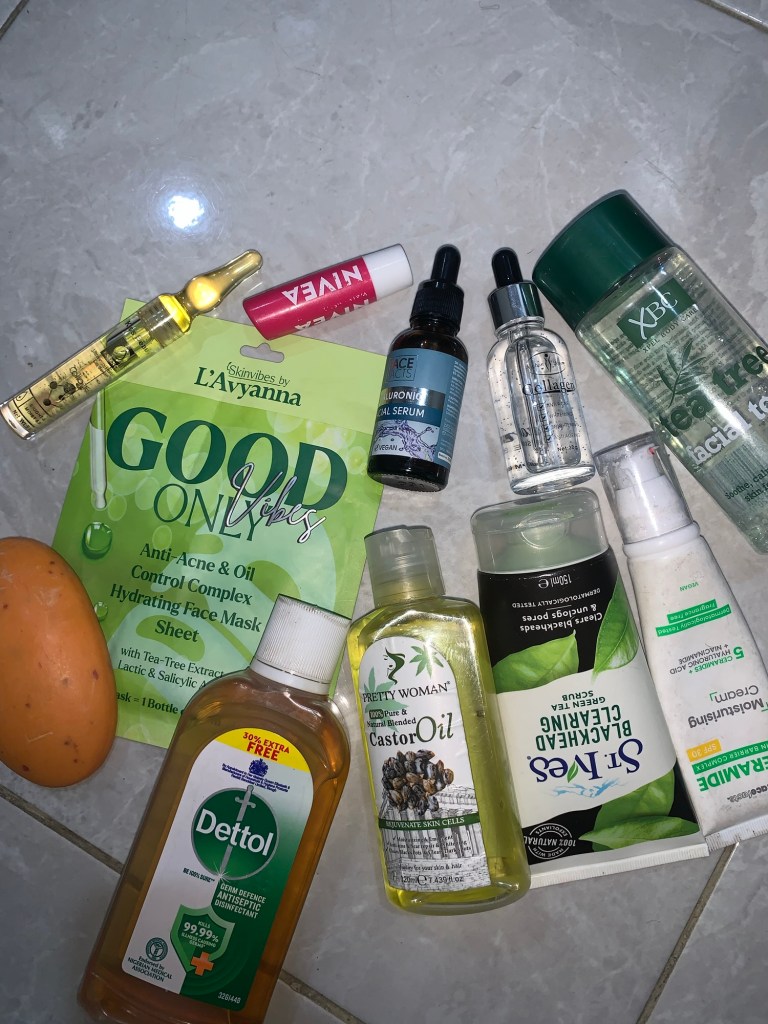
The simple routine I follow is to use a facewash, apply my serum, then moisturize, and finish up with sunscreen. For some specific days, I use my face scrub and face masks.
For beginners, facewash, serum, moisturizer, and sunscreen are all you need. You can also add wipes for taking off your makeup or just to wipe your face:
I stick to products from the following brands; Tea tree, Simple, Facefacts, Nivea, and St. Ives. You can also consult a dermatologist for an expert option.
Hydration: The Easiest Glow-Up
Drinking water is free, and it’s one of the best things you can do for your skin. Trust me, I used to underestimate it. Once I started carrying a bottle everywhere, my skin looked fresher and it helped reduce fatigue. Aim for 2–3 liters a day—and if plain water is boring, try adding mint or cucumber for flavor.
Nutrition Matters Too
What you eat is just as important as what you put on your skin. Some foods I swear by:
Fruits, veggies, healthy fats and proteins are healthy options. I sometimes blend fruits or veggies to make a nutritious drink.






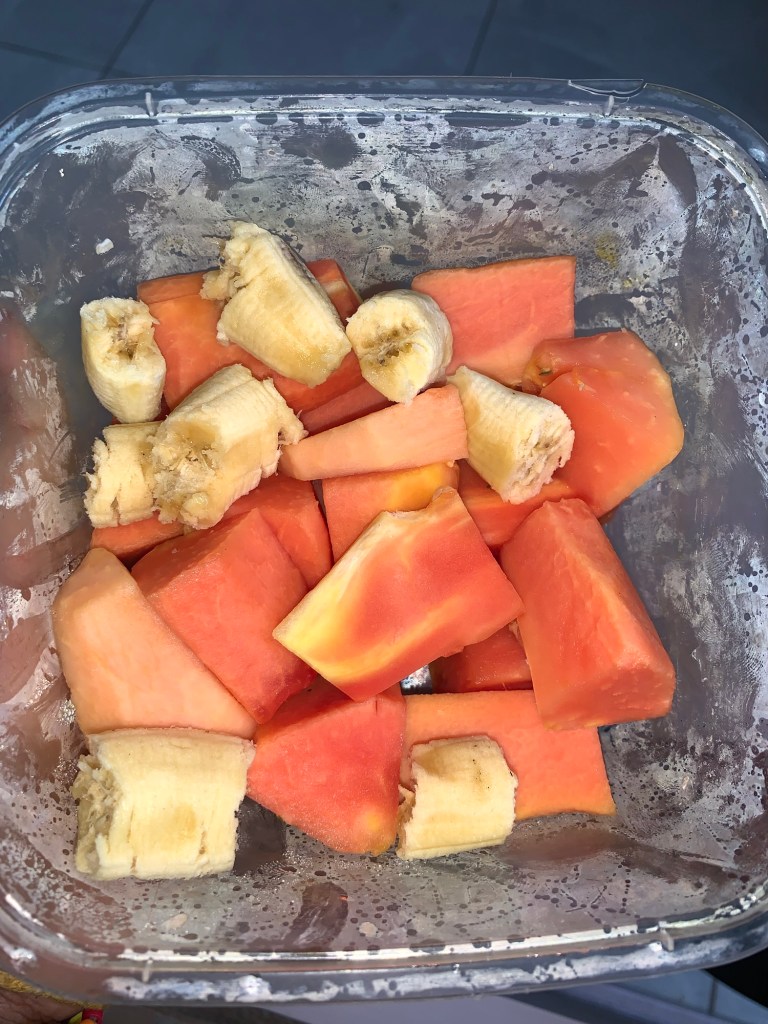



Also, avoid too much sugar or junk food—it’s a big trigger for breakouts.
Extra Tips for a Budget-Friendly Routine
1. Use Separate Towels for Face and Body
- This reduces bacteria transfer and prevents breakouts.
2. Steam Your Face Occasionally
- Once a month, I lean over a bowl of hot water for a mini spa treatment. It opens my pores for a deeper cleanse.
3. Change Pillowcases Often
- It sounds minor, but it prevents you from random breakouts!
4. Hands Off Your Face
- I know it’s tempting, but constantly touching your face can transfer dirt and bacteria.
Sleep: Your Skin’s Repair Time
I get it—educators are busy, and 7–8 hours of sleep feels like a dream. But even 6 solid hours can make a difference. Your skin repairs itself when you sleep, so make it a priority. Increasing my sleep time reduced the migraines I get.
Beyond Products: Exercise and Routine
A 15-minute walk can improve your skin’s circulation, giving it a natural glow. Even on hectic days, I make time for a 30-minute walk—it’s my way of refreshing my mind and skin.
Final Thoughts
Skincare doesn’t have to be overwhelming or expensive. Start with the basics, hydrate, eat well, and get your rest. Teaching might be demanding, but taking care of your skin is a small way to remind yourself that you matter, too.
Consult a dermatologist or make proper findings before buying a particular product so you don't harm your skin.
So, which tip are you starting with today? Let me know in the comments—I’d love to hear!

 MISS DAIRO'S SPACE
Thank you, Ms. Dairo
A good number of us need this.
LikeLiked by 1 person
You’re welcome 😊.
LikeLike
Thank you for these tips. It was helpful
LikeLiked by 1 person
I’m glad you found it helpful 😊.
LikeLike