Imagine this.
You walk into a classroom, expecting the usual rows of desks and a teacher standing in front, talking while kids listen (or pretend to).
But instead, you see something different.
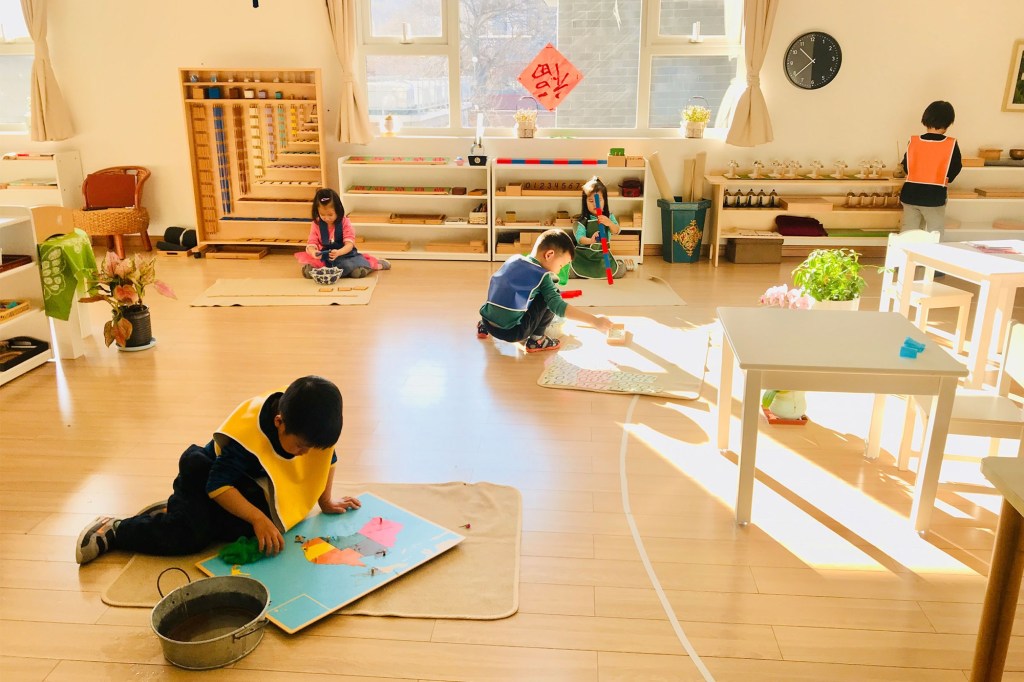
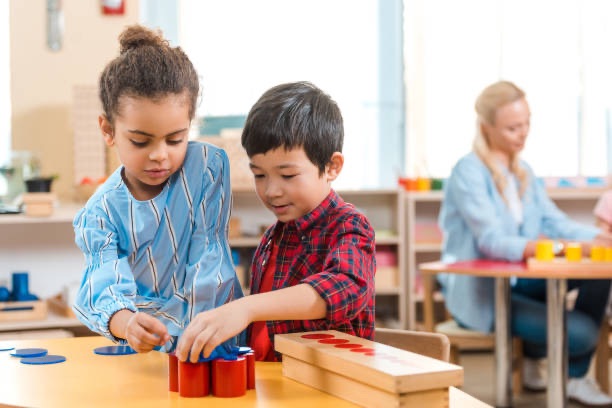
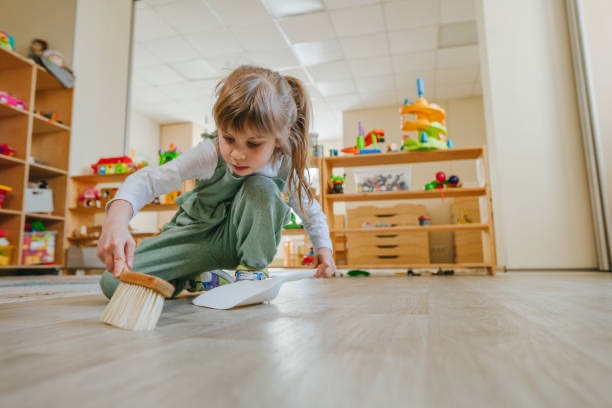
Children are scattered around the room, some working alone, others in small groups. One child is carefully pouring water between two pitchers. Another is tracing letters on a sandpaper board with deep concentration. A group of children is solving math problems with colorful beads, completely engaged.
And the teacher? Instead of standing at the front, she moves quietly between them, observing, guiding, and occasionally kneeling to whisper a word of encouragement.
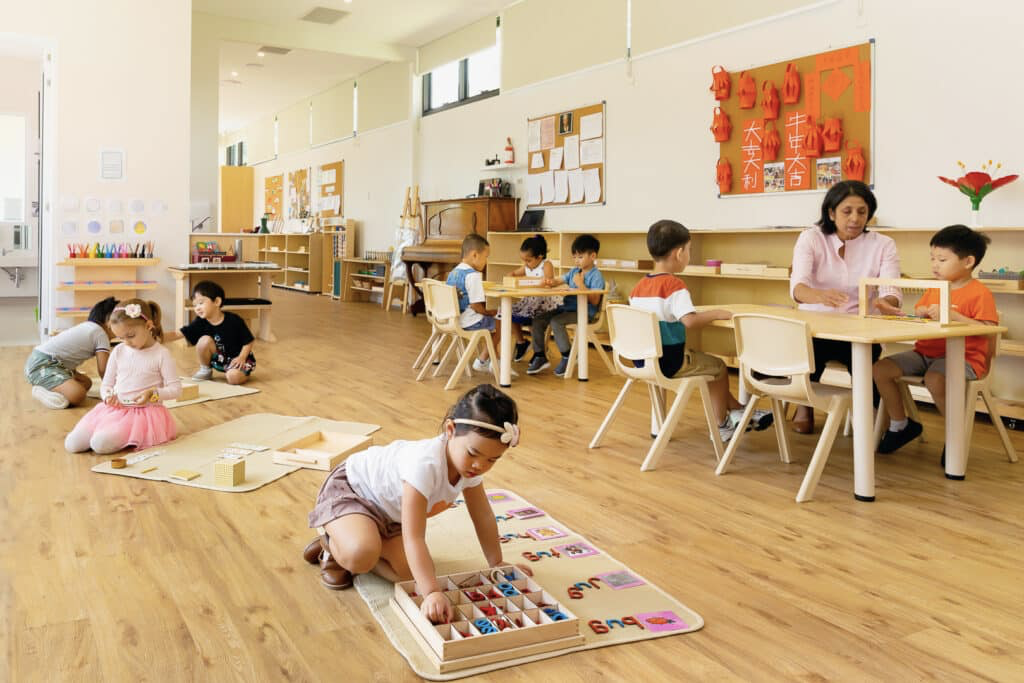
This is Montessori.
Now, if you’ve ever wondered: “What exactly is Montessori education, and why do people talk about it so much?”—let’s break it down.
Montessori Is Like Cooking a Meal…
Think of education like cooking.
In a traditional classroom, it’s like being handed a pre-cooked meal. The teacher prepares everything, serves it on a plate, and expects children to eat it exactly as it is.
In a Montessori classroom, children get to be the chefs. They explore ingredients (learning materials), decide what they want to make (choose their work), and cook it themselves (discover concepts through hands-on experience). The teacher is like a sous-chef, guiding and supporting when needed, but never taking over.
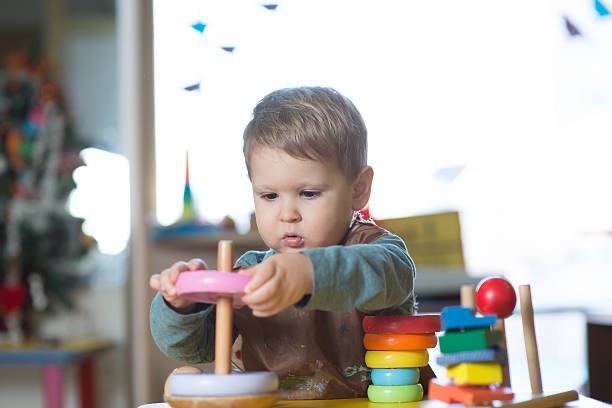
That’s the essence of Montessori—children learn by doing.
So, What Makes Montessori Special?
1️⃣ Children Are in Charge of Their Learning
In a Montessori classroom, you won’t hear a teacher saying, “Okay, everyone, open your books to page 25.” Instead, children choose what to work on. Sounds like chaos? It’s not. They pick from carefully prepared materials designed to teach them exactly what they need at their developmental stage.
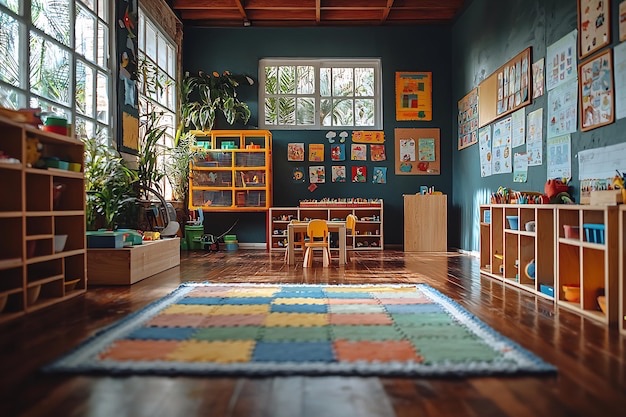
Think about it like this: A toddler learns to walk without someone forcing them to practice. They try, they fall, they try again. Montessori applies this same natural learning process to everything—reading, math, science, and even social skills.
2️⃣ Learning Is Hands-On (Goodbye, Boring Lectures)
Have you ever tried explaining fractions to a child with words alone? Their eyes glaze over.
Now, give them a Montessori fraction puzzle, where they can see and touch the difference between ½ and ¼, and suddenly it clicks.
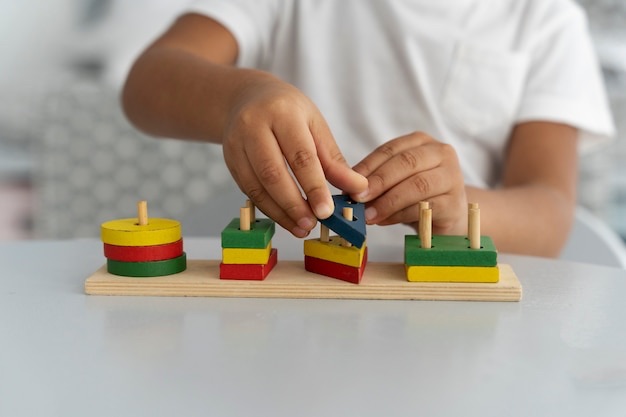
Montessori uses objects—beads, blocks, puzzles—because kids learn best when they can touch, see, and experience things, not just hear about them.
3️⃣ Mistakes Are Part of the Process
Ever watched a child try to tie their shoes? They fumble, they get frustrated, but eventually, they figure it out.
Montessori encourages this same kind of trial and error in all learning. Instead of a teacher saying, “That’s wrong,” the materials self-correct. A puzzle piece won’t fit if it’s in the wrong place. Beads won’t line up properly if the math is off.
This way, children learn to problem-solve on their own, instead of relying on someone to tell them the answer.

4️⃣ Freedom, But Not a Free-for-All
A common myth is that Montessori lets kids do whatever they want. Nope!
It’s like a playground. You’re free to run, climb, and explore, but there are still fences to keep you safe. In Montessori, children choose their activities, but within limits.
For example, a child might decide to work with counting beads instead of practicing writing, but they can’t just run around disturbing others. They learn responsibility and self-discipline while still enjoying freedom.
Why Should You Care About Montessori?
Montessori isn’t just about school—it’s a mindset.
It teaches kids to be independent, curious, and confident. They grow up knowing how to think for themselves, solve problems, and love learning.
And isn’t that what education should really be about?
WHAT DO YOU THINK ABOUT MONTESSORI EDUCATION?
Services I offer
If you’re in need of educational services like personalised worksheets, training, consultancy, curriculum development, scheme crafting, educational app creation, online tutoring and online brand development, kindly send an email to dairotitilopeblessing@gmail.com

 MISS DAIRO'S SPACE