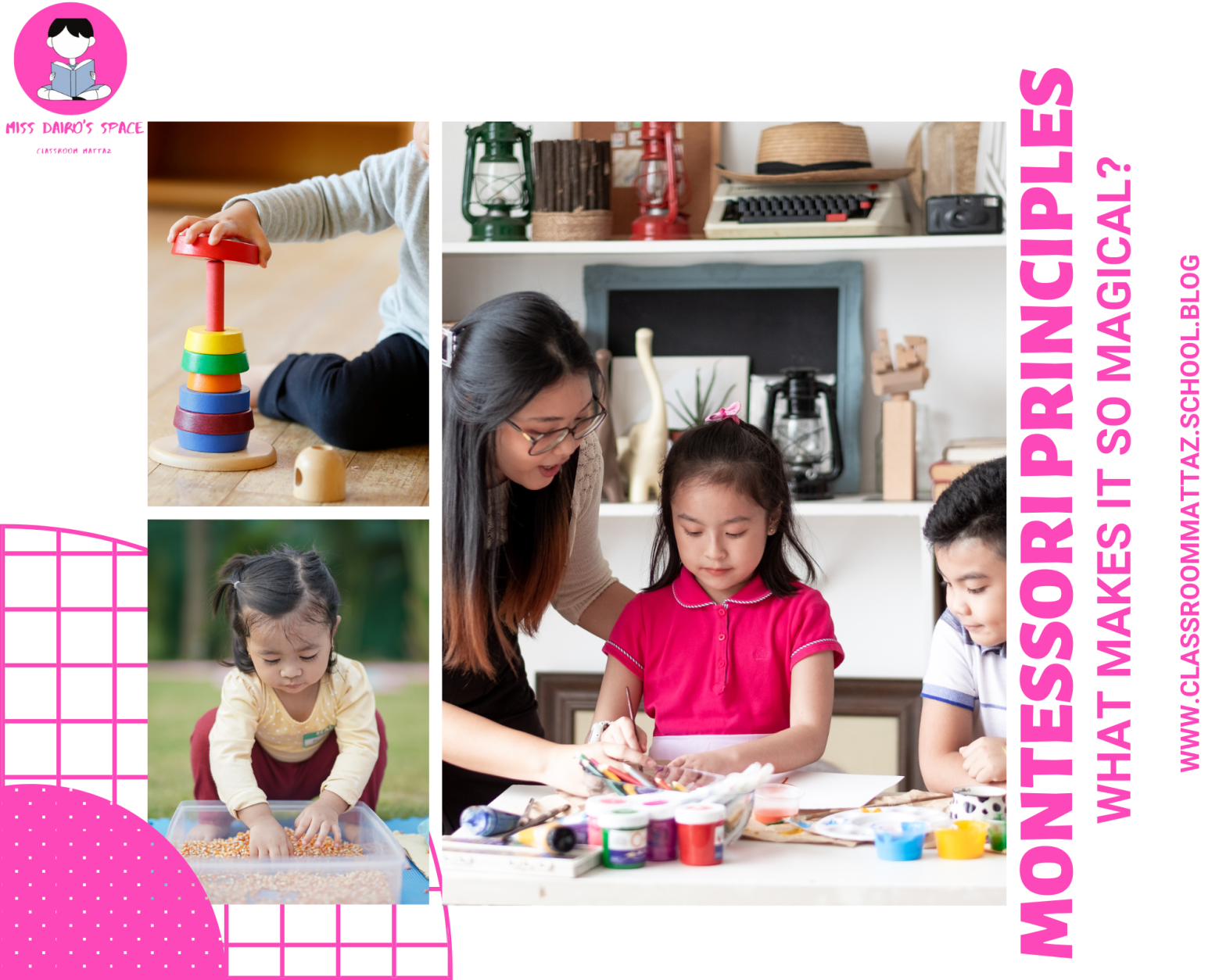
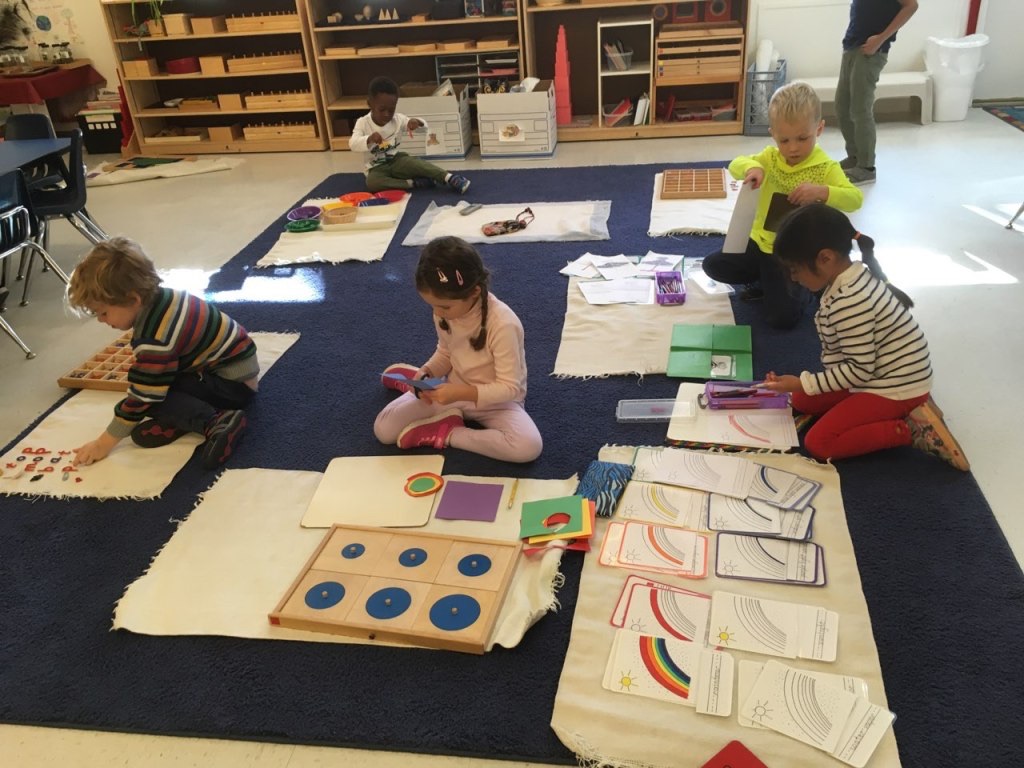
I remember when I first stepped into a Montessori environment. It was nothing like what I was used to. Kids weren’t all seated facing a board, notebooks open, waiting for instruction. Instead, they were everywhere—working with their hands, helping each other, or quietly concentrating on one thing or the other.
At first, it looked like chaos. But then I realized… this was purposeful chaos.
So, what makes Montessori so different?
It starts with a set of deep, beautiful principles that guide everything we do. Let’s talk about five of the core ones—and why they matter so much:
1. Child-Centered Learning
In Montessori, we don’t build the child around the curriculum—we build the curriculum around the child.
Each child is different. Some love numbers. Some adore words. Some want to build, others want to observe. Montessori lets them explore at their own pace.
Think of it like this:
Instead of pulling children to fit into the same box, we give them space to unfold like flowers in their own season.
2. Hands-On Experience
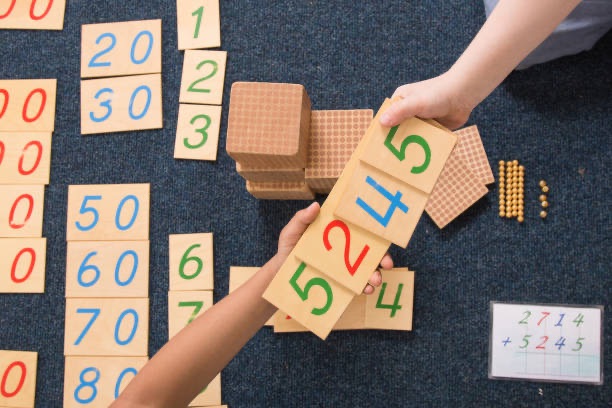
You won’t see long lectures in a Montessori classroom. You’ll see children pouring water, sorting beads, scrubbing tables, building pink towers, and more.
We call it learning through doing—because children remember what they touch.
Ever wondered why a child remembers how to open your phone but not what you just said?
Because their fingers learn faster than their ears.
3. Freedom Within Limits
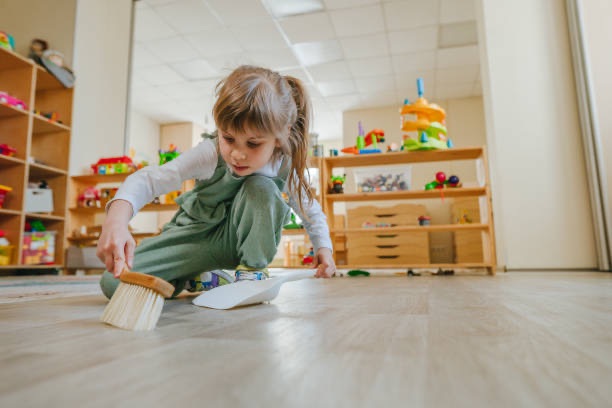
Montessori children are free to choose their work—but they’re not free to do anything. There are boundaries. The freedom is within structure.
We don’t say: “Sit here and write this now.”
We say: “Here are your choices. Pick one and focus.”
It’s a gentle way of teaching responsibility, not just obedience.
4. The Guide, Not the Boss
I remember giving a lesson one day, and after some time, a child came to show me her work. I was amazed—not only had she practiced what was taught, but she had gone far beyond it. She explored new questions and applied her understanding in a way that surprised me. I had to pause and really focus on her work just to grasp the depth of thinking she brought into it. That’s the beauty of Montessori—it nurtures curiosity, independence, and a deep love for learning.
Montessori teachers are called guides. We don’t just stand in front of the class and talk. We observe. We step in only when needed. We introduce materials, and then we step back.
Imagine being a child and feeling like your teacher actually trusts you.
That’s a game-changer.
5. Respect for the Child
“Please, would you like to help xxxx do this?”
“Did you ask xxx for permission before opening her tub?”
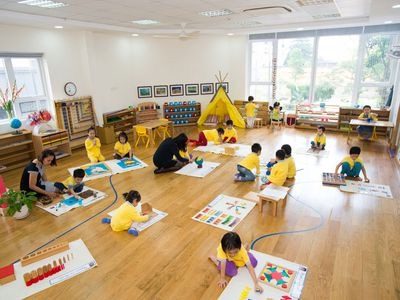
These are the kinds of statements you’ll often hear in my classroom. In Montessori, respect isn’t just taught—it’s lived. Children deserve to be treated with dignity, and that value guides everything we do.
Montessori starts with this powerful belief:
Children are not empty containers to be filled. They’re full people with ideas, preferences, and inner lives.
We respect their space. We respect their pace. We listen. We kneel to their level. We don’t shout. We guide with love and calm.
In Summary:
Montessori is not just about fancy wooden materials or quiet classrooms.
It’s about creating a space where children can grow—naturally, joyfully, and independently.
And it all begins with these core principles.
Stay tuned!
In the next blog post, we’ll explore The Prepared Environment—what it looks like, how it works, and how even your home can become a Montessori space.
Are you in need of an educational expert to work with your children, school or offer guidance services? Reach out to me via email dairotitilopeblessing@gmail.com

 MISS DAIRO'S SPACE