

Mathematics is an essential subject that provides the foundation for many of the concepts and skills that we use in our everyday lives.
From basic counting to complex problem-solving, mathematics is a subject that is integral to our understanding of the world around us.
For young children, however, math can be a daunting subject, with many struggling to grasp the basic concepts and excel in exams. But it doesn’t have to be this way.
By using the right approach and laying the foundation right, young children can find math fun, engaging, and easy to understand.
In this post, we’ll explore some tips and strategies to help young children excel in math, from laying the foundation right to acing exams. So, let’s dive in and discover how to make math fun and easy for young children.
Make Math Easy: Tips for simplifying mathematical concepts for young learners
- Break down complex concepts into smaller, more manageable parts.
- Use real-life examples to illustrate abstract concepts.
- Encourage questions and provide explanations in simple language.
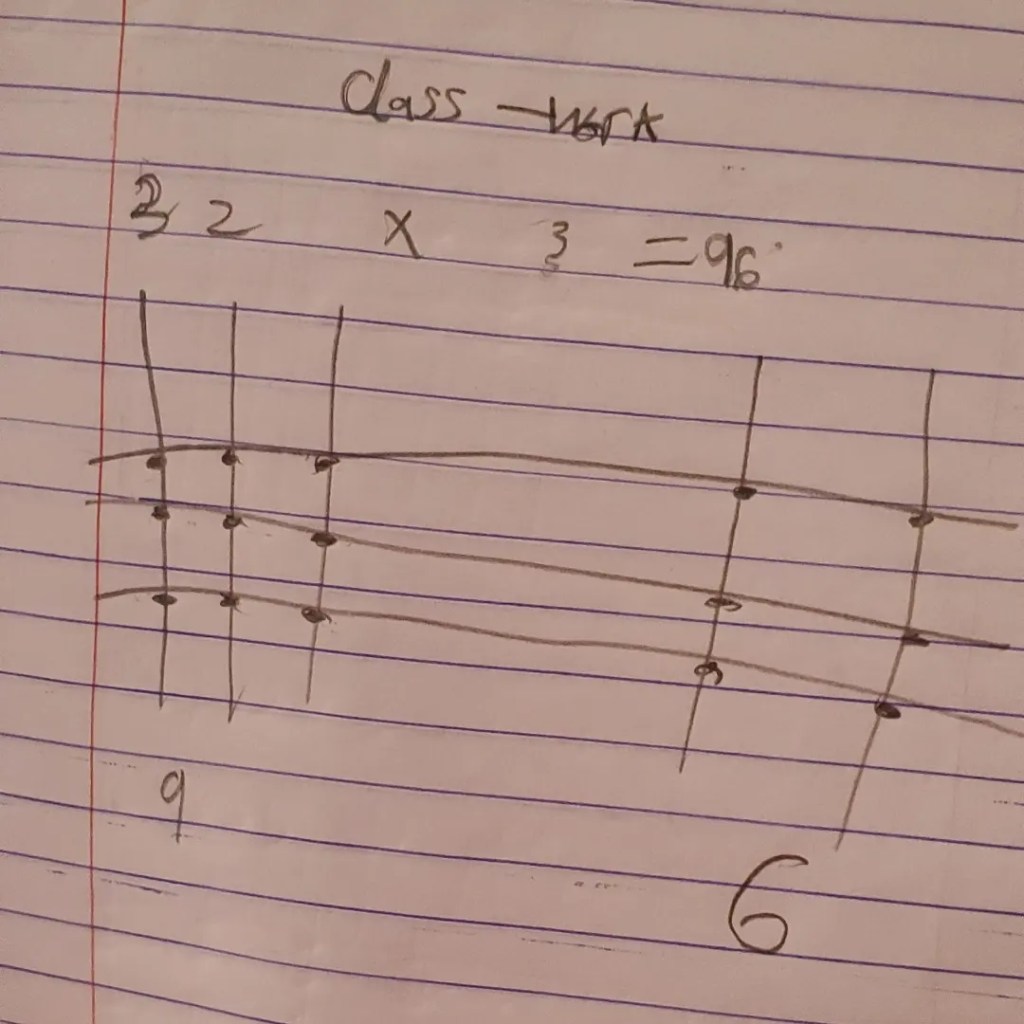
Many children find math difficult due to the complicated steps involved, which can make it seem overwhelming. As a teacher, I always strive to present math concepts in a simple and engaging manner, using multiple approaches to each topic. For instance, when introducing multiplication, I used the Japanese method and saw my students light up with excitement. I understand that children have a shorter attention span, so I take extra care to break down each concept into manageable steps. By adopting this approach, my students have developed a love for math and are more confident in their abilities to solve problems.
Visualize Math: Fun and creative ways to help children understand math visually
- Use visual aids such as diagrams, graphs, and charts to help children visualize concepts.
- Incorporate hands-on activities, such as counting objects or using manipulatives, to make math more engaging and interactive.

Maths can be intimidating for kids, but it doesn’t have to be! By showing them how math is relevant to their everyday lives, it can become more enjoyable. As a teacher, I try to make math concepts easy to understand by using practical examples. For instance, when teaching fractions, I use a pizza to illustrate the concept. The pizza grabs their attention and they’re eager to learn about fractions. I use games, hands-on activities, and other engaging strategies to create a positive learning environment that keeps kids excited and active in their learning. Remember, happy and involved students are more receptive to learning.
Practice Makes Perfect: How to encourage regular math practice for better results
- Encourage children to practice math regularly, both at home and in the classroom.
- Use practice exercises and games to reinforce learning.
- Provide positive reinforcement and celebrate successes to boost confidence and motivation.
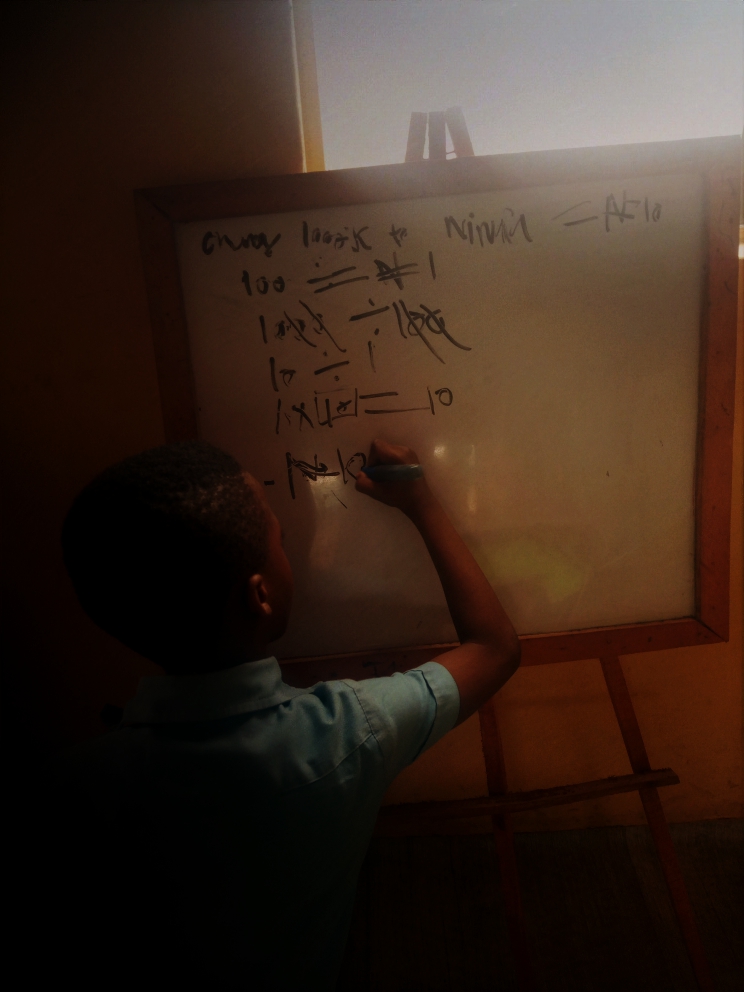
One of the secrets to understanding math is practice, practice, and more practice. I encourage my students to practice as often as possible. To make it more interesting, I provide them with a board and marker, and they challenge each other with math problems. It’s amazing how much their understanding of math concepts has improved since they started this practice.
Work on Relapses: Strategies for helping children overcome challenges in learning math
- Monitor progress regularly and identify areas where children may be struggling.
- Provide additional support or extra help if needed.
- Encourage perseverance and a growth mindset to overcome challenges.

Despite our best efforts to engage and motivate our students, relapses can still occur, especially when it comes to learning mathematics. To address this issue, I use a variety of techniques such as revisiting previous topics, creating charts for important facts, and incorporating individual learning methods. For instance, during the 7th week, I may include classwork from a topic we covered in the 1st week to keep the material fresh in their minds. I also encourage consistent practice by having students read charts or play games. As educators, it’s important to anticipate and address relapses in learning by being creative and flexible in our teaching methods.
Solve Every Question: Approaches to tackling math problems for exam success
- Encourage children to attempt every question, even if they are unsure of the answer.
- Teach problem-solving strategies, such as breaking down the question and identifying relevant information.
- Provide opportunities for children to practice applying these strategies to different types of questions.
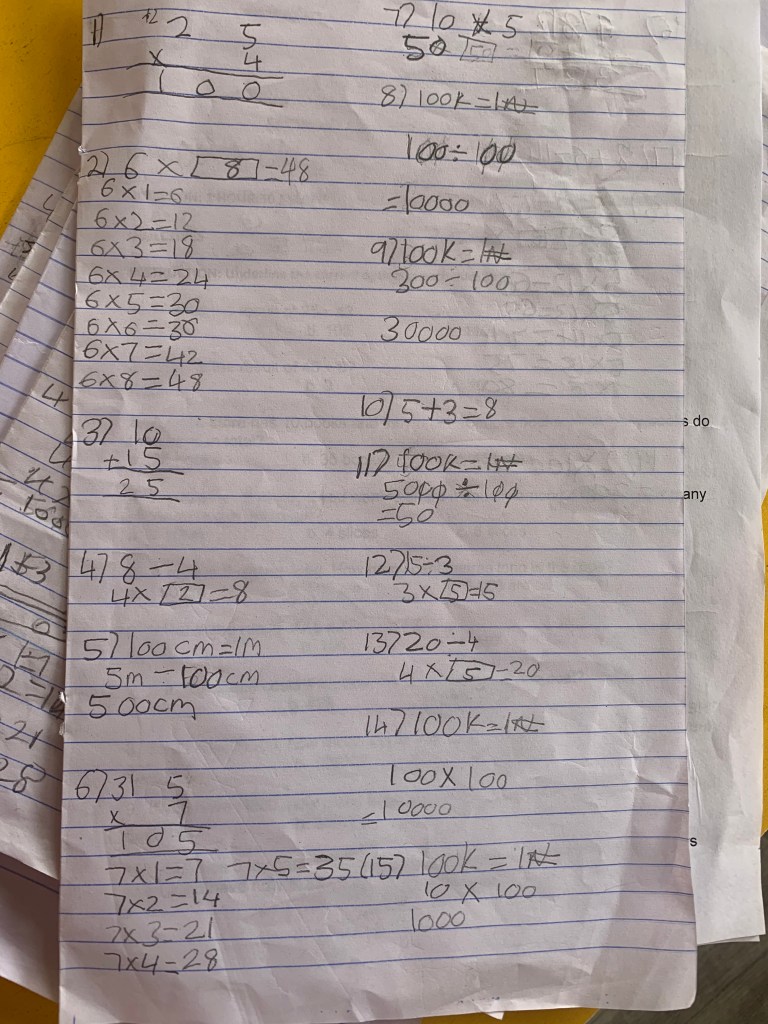
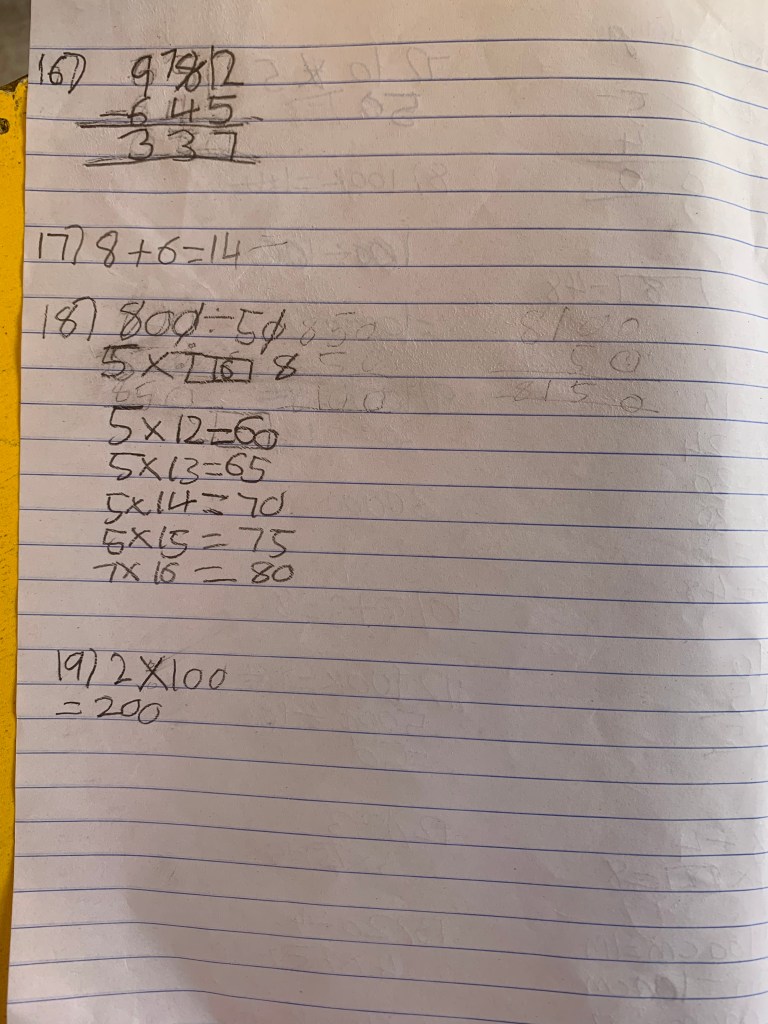
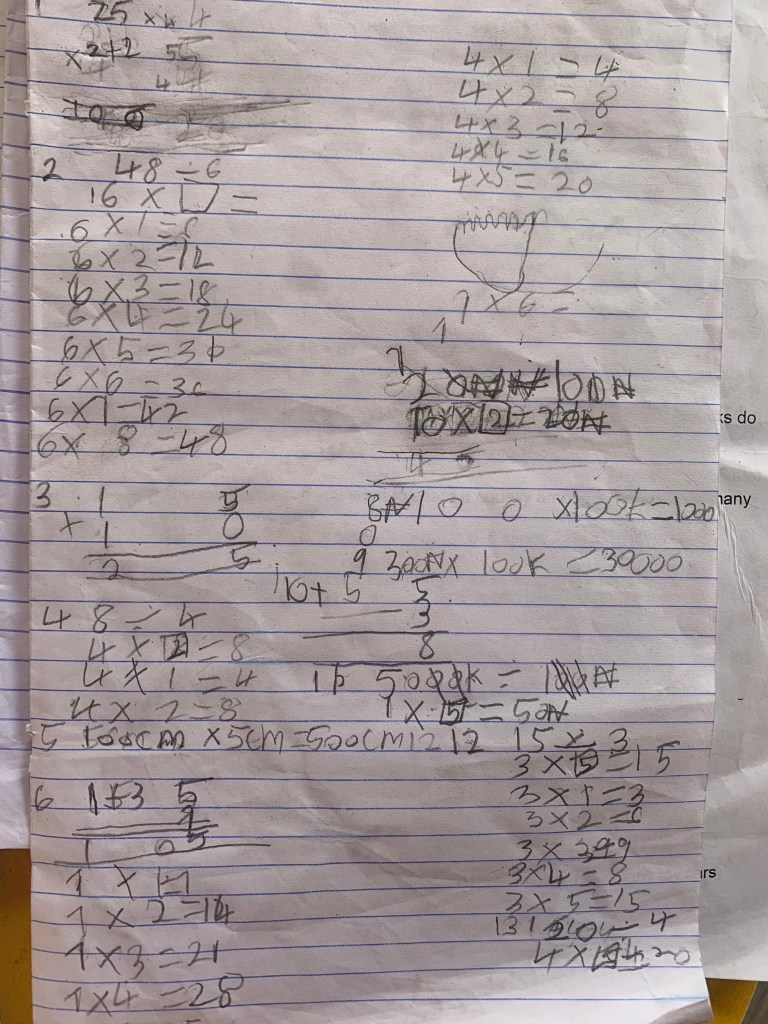
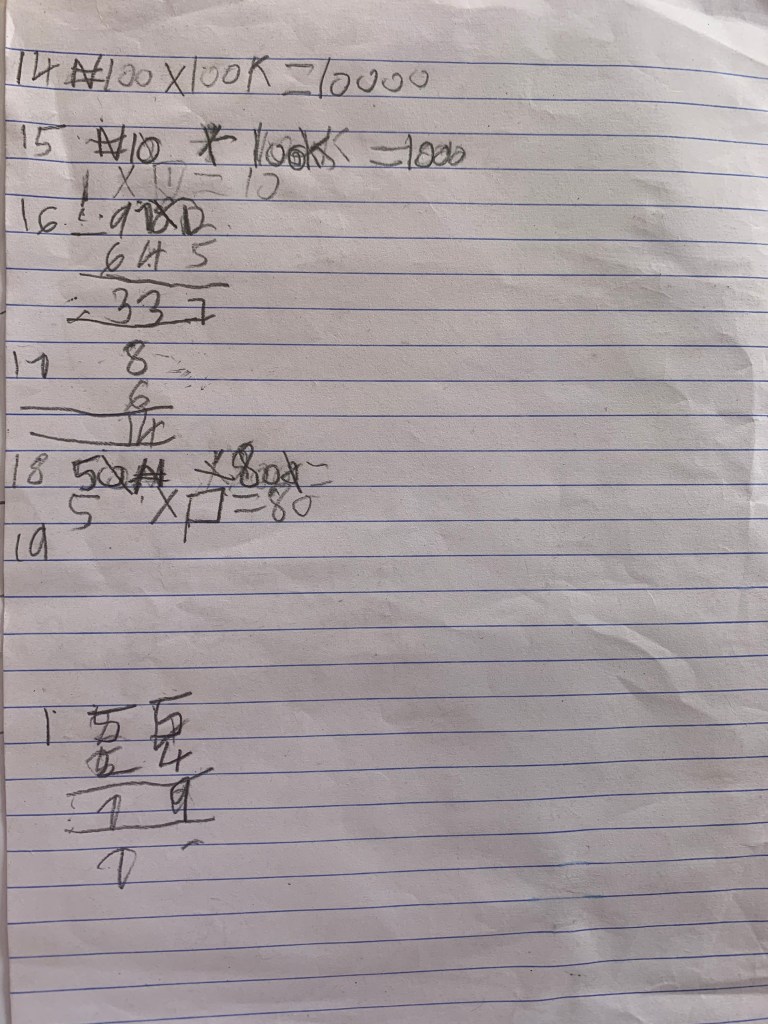
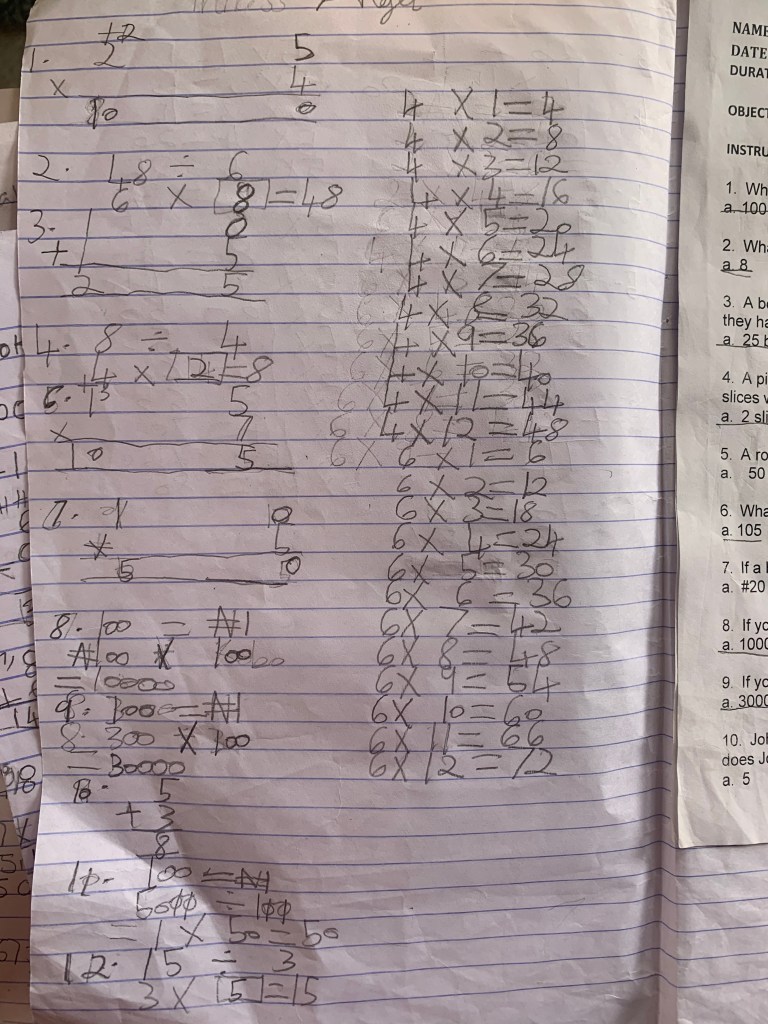
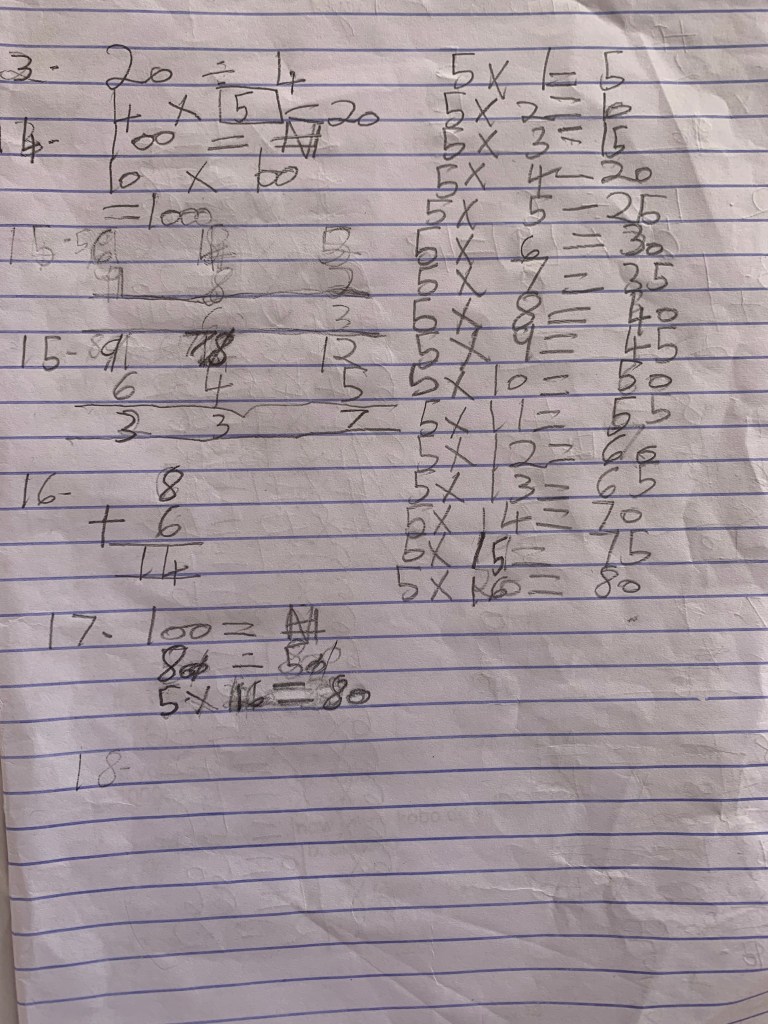
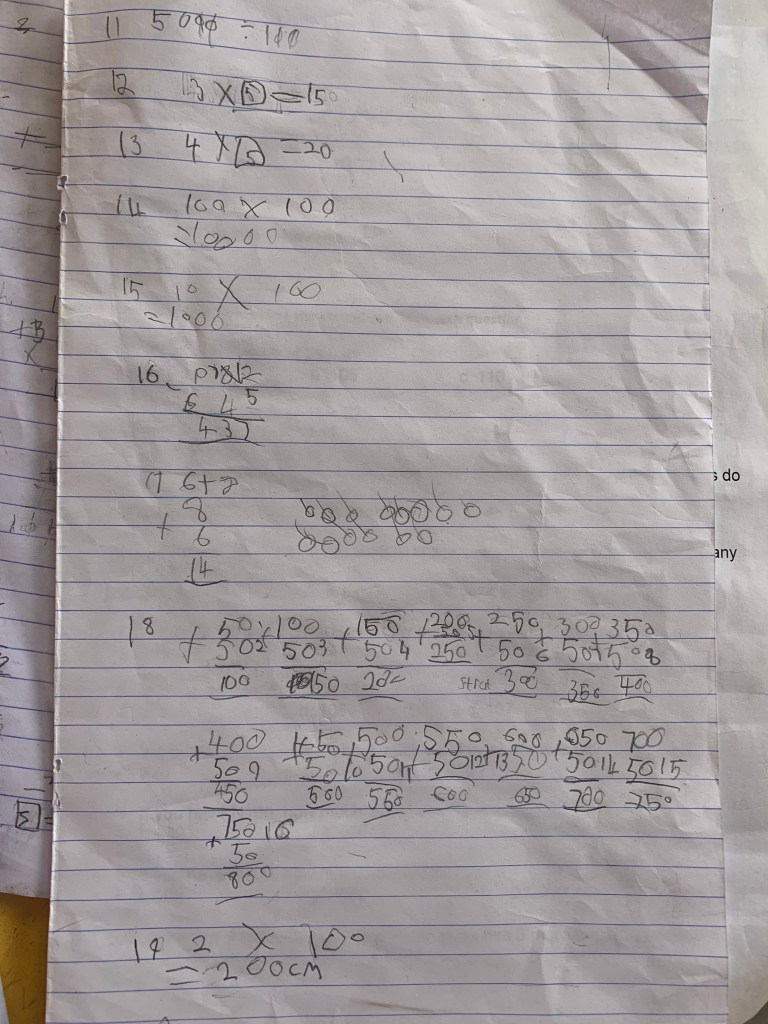
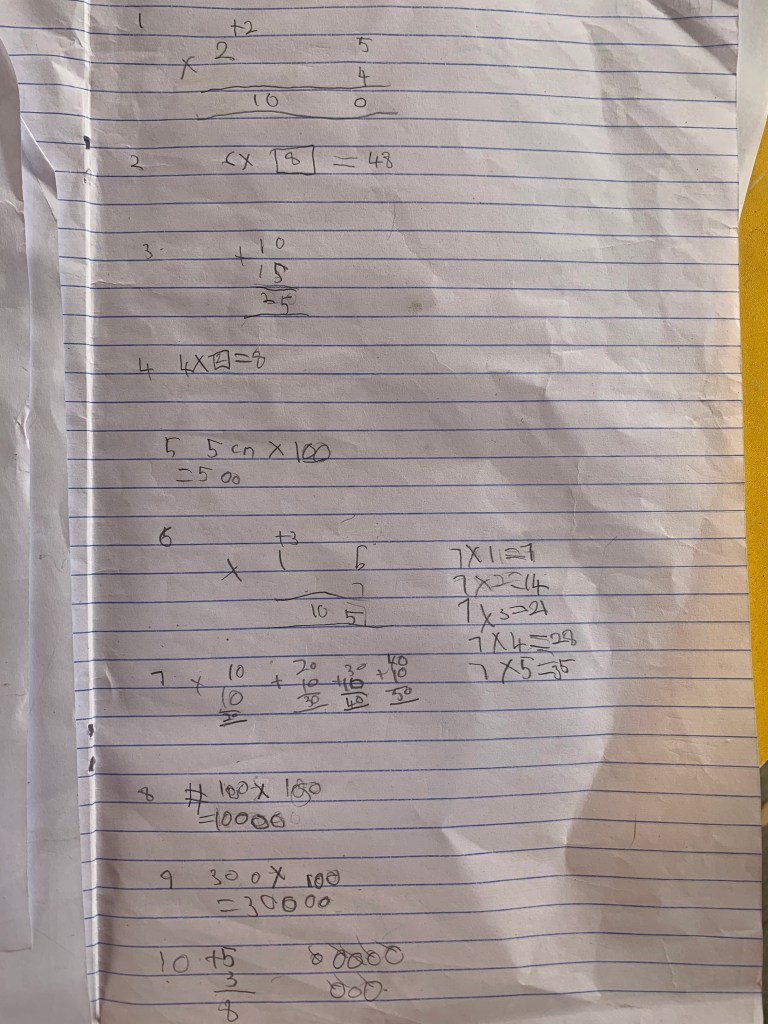
In my experience as a teacher, I have noticed that students often struggle with math not because they lack knowledge, but because they become too anxious to solve the problems. This is especially true when it comes to objective questions, where students tend to rush and guess answers instead of approaching the questions systematically. To combat this, I have implemented a rule in my class that every objective question must be numbered and solved with working shown. This approach encourages students to slow down, think critically, and recall what they have learned in class. By doing so, my students have been able to improve their math scores significantly. It is important for teachers to emphasize the importance of showing working on math objective questions, as it not only helps with assessment but also with correcting mistakes. Remember, a calm and deliberate approach to math can lead to success!
By following these strategies, young children can build a strong foundation in math and excel in exams. Remember to simplify concepts, use visual aids, encourage practice, provide support when needed, and attempt every question. With the right approach and a little bit of perseverance, children can develop a love for math and achieve academic success.

 MISS DAIRO'S SPACE
I am inspired to be a better math teacher.
LikeLiked by 1 person
What a great decision 🥳. Welcome to the team!
LikeLike